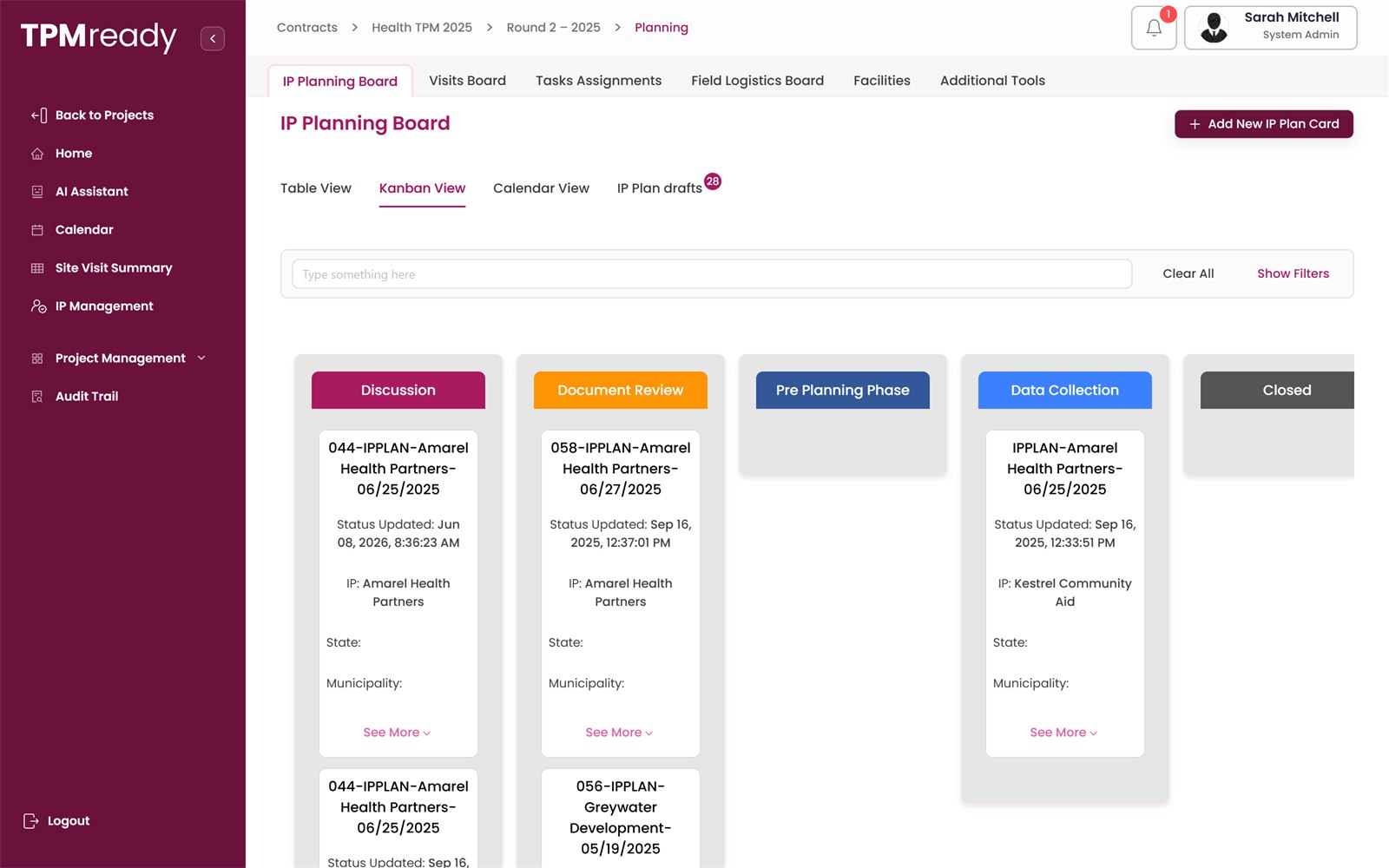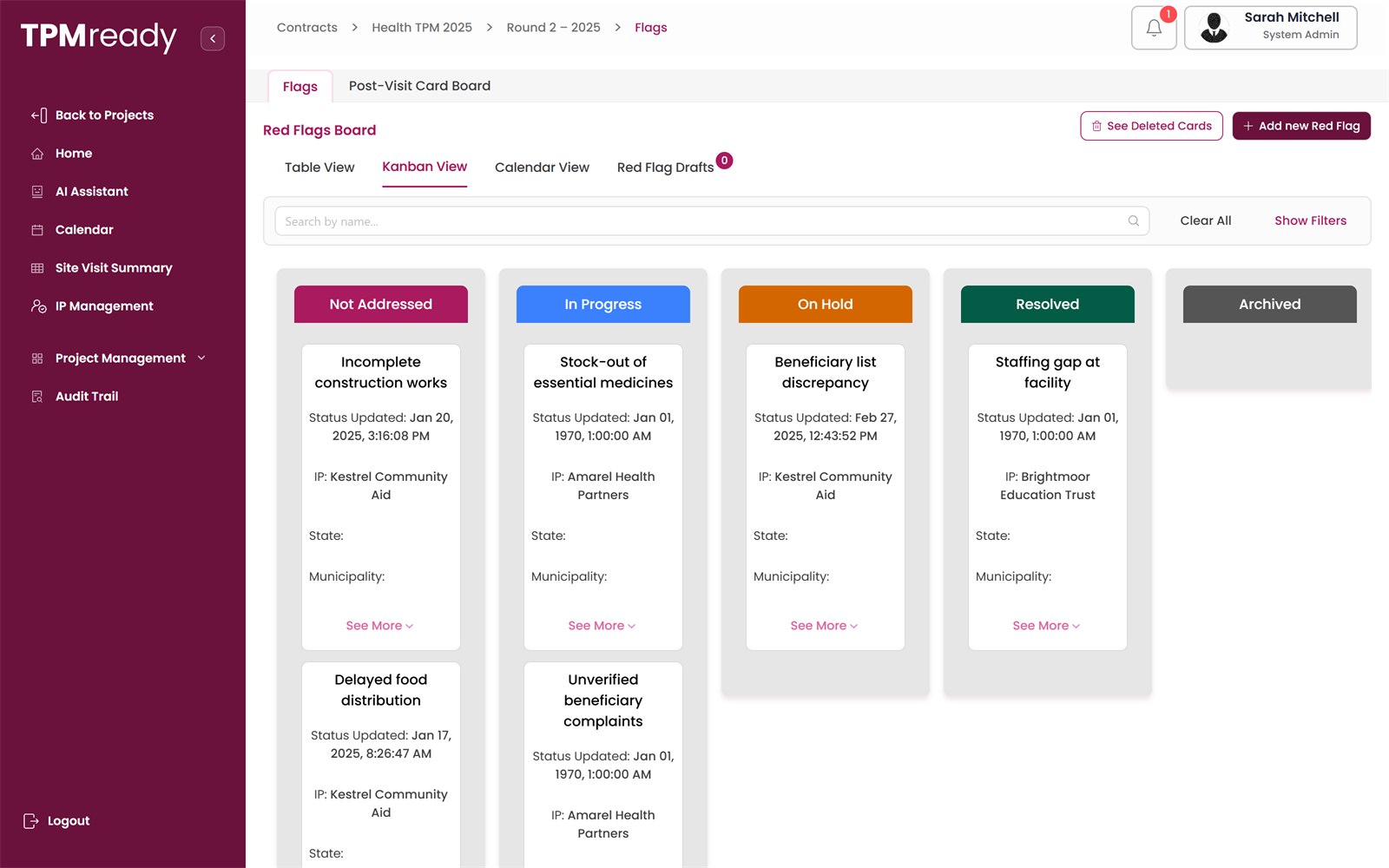

Third-party monitoring (TPM) is the independent verification of a programme's delivery by an organisation that is neither the funder nor the implementer. A monitoring team visits the places where the work happens, such as clinics, schools, water points and distribution sites, and checks that what was planned and reported is really taking place.
Why donors use third-party monitoring
Donors and agencies commission TPM when they need evidence they cannot easily collect themselves. The most common reasons are:
- Access. Donor staff may be unable to travel to insecure, remote or politically sensitive areas. A local monitoring team can.
- Independence. Evidence from a separate organisation carries more weight than an implementer's own reporting.
- Scale. Large programmes run across many sites and regions; a dedicated team can cover them systematically.
- Accountability. Boards, parliaments and taxpayers expect assurance that funds reached the people they were meant for.
Who is involved
| Party | Role in TPM |
|---|---|
| Donor or client | Funds the programme and commissions the monitoring. Receives the findings. |
| Implementing partner (IP) | Delivers the programme on the ground. Their work is what is being verified. |
| TPM provider | Plans and runs the monitoring independently of the implementer. |
| Field team | Team leaders, enumerators, logistics staff and drivers who carry out site visits. |
| Data analysts | Check the collected data for completeness and consistency before reporting. |
| Communities | Beneficiaries and local staff whose experience the monitoring records. |
What a TPM cycle looks like
Most TPM contracts are organised into monitoring rounds: one cycle of visits within a project. Each round follows the same broad sequence.
- Plan the round. Agree with the client what will be monitored for each implementing partner, where and when.
- Prepare the visits. Select sites, set targets for interviews and observations, assign teams and arrange transport.
- Collect data in the field. Teams visit sites, interview beneficiaries and staff, complete observation checklists and capture evidence.
- Check the data. Analysts review each dataset for completeness and consistency.
- Report and approve. Field reports are written, reviewed and approved or returned with comments.
- Follow up. Serious issues are logged as red flags and tracked until they are resolved.
What TPM typically checks
- Whether planned activities took place, when and where they were supposed to.
- The quality and availability of goods and services, such as medicines, food or water.
- Staffing levels and the condition of facilities.
- Beneficiary experience, through interviews and feedback.
- Complaint and feedback mechanisms, and whether they work.
- Safeguarding and protection concerns that need urgent attention.
Common challenges
TPM is demanding work. Access can change overnight. Several field teams must collect data in the same way. Evidence tends to end up scattered across spreadsheets, email threads and chat groups, so the time between a visit and an approved report grows, and findings are not followed up.
What good TPM looks like
- A clear sampling approach agreed with the client before fieldwork starts.
- Field teams briefed on the tools and on safety procedures.
- Evidence that carries its location and time, so visits can be verified.
- Data quality checks before a report can be approved.
- A named reviewer who approves each report.
- Red flags tracked with an owner and a deadline until they are resolved.
- An audit trail showing who changed what, and when.