
As more funding flows through national and local partners, donors increasingly rely on monitoring data that someone else has produced. That raises a second question beyond “did the activity happen?”: can we trust the system that tells us it did? That is the difference between third-party and fourth-party monitoring.
Third-party monitoring in one paragraph
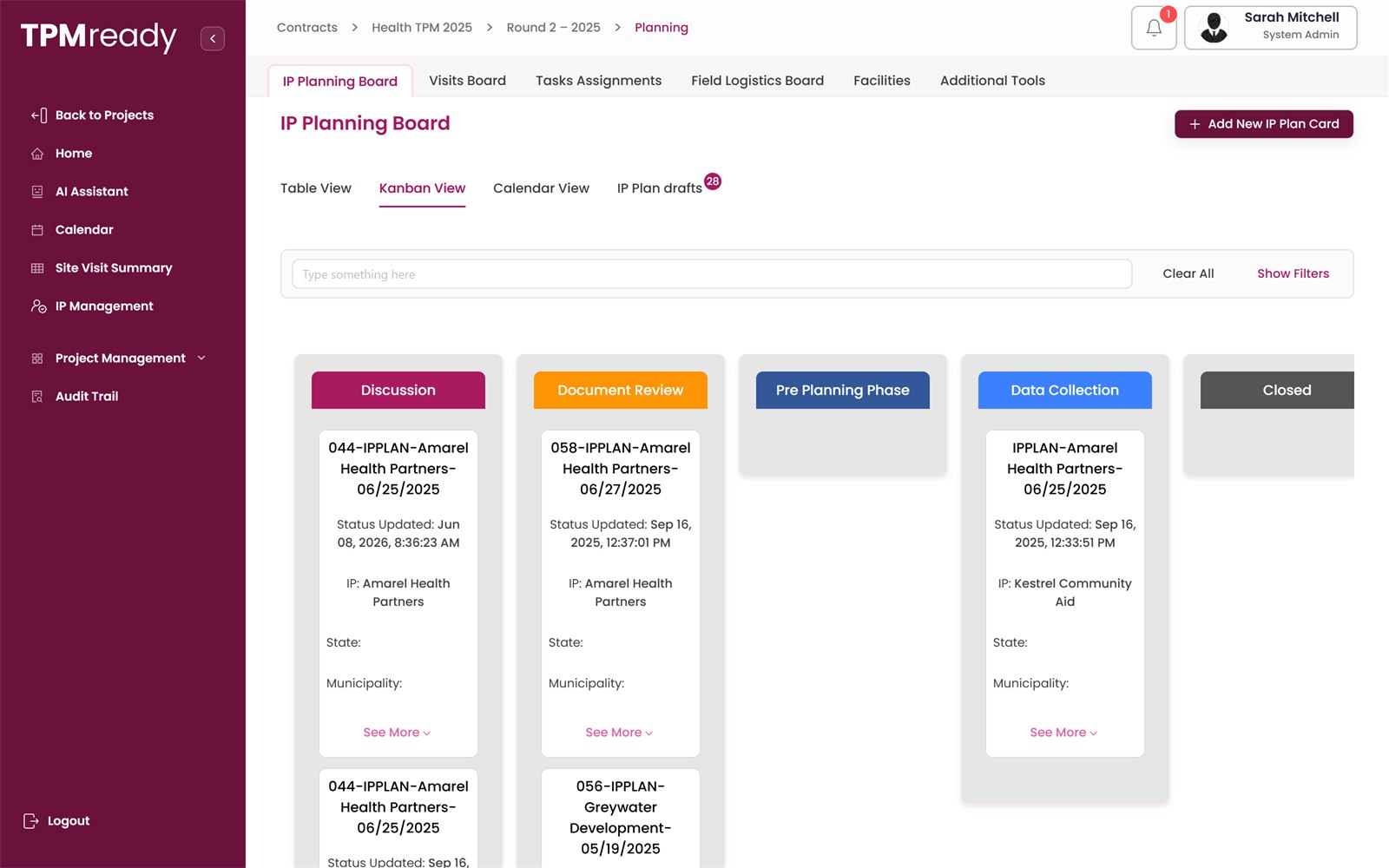
In third-party monitoring, an independent team visits programme sites to verify delivery directly: activities, goods, services, staffing and beneficiary experience. The unit of analysis is the site or the activity.
Fourth-party monitoring in one paragraph
Fourth-party monitoring (4PM) looks one level up. It assesses the design and operating effectiveness of an implementing partner's own monitoring system, and of any monitors the partner has contracted. In short, it verifies the verifiers. The unit of analysis is the system.
Side by side
| Third-party monitoring | Fourth-party monitoring | |
|---|---|---|
| Main question | Was the programme delivered as planned? | Is the partner's monitoring reliable? |
| What is examined | Sites, activities, goods and services | M&E systems, procedures and contracted monitors |
| Typical methods | Site visits, interviews, observation checklists | SOP review, process audits, sample re-verification, benchmarking |
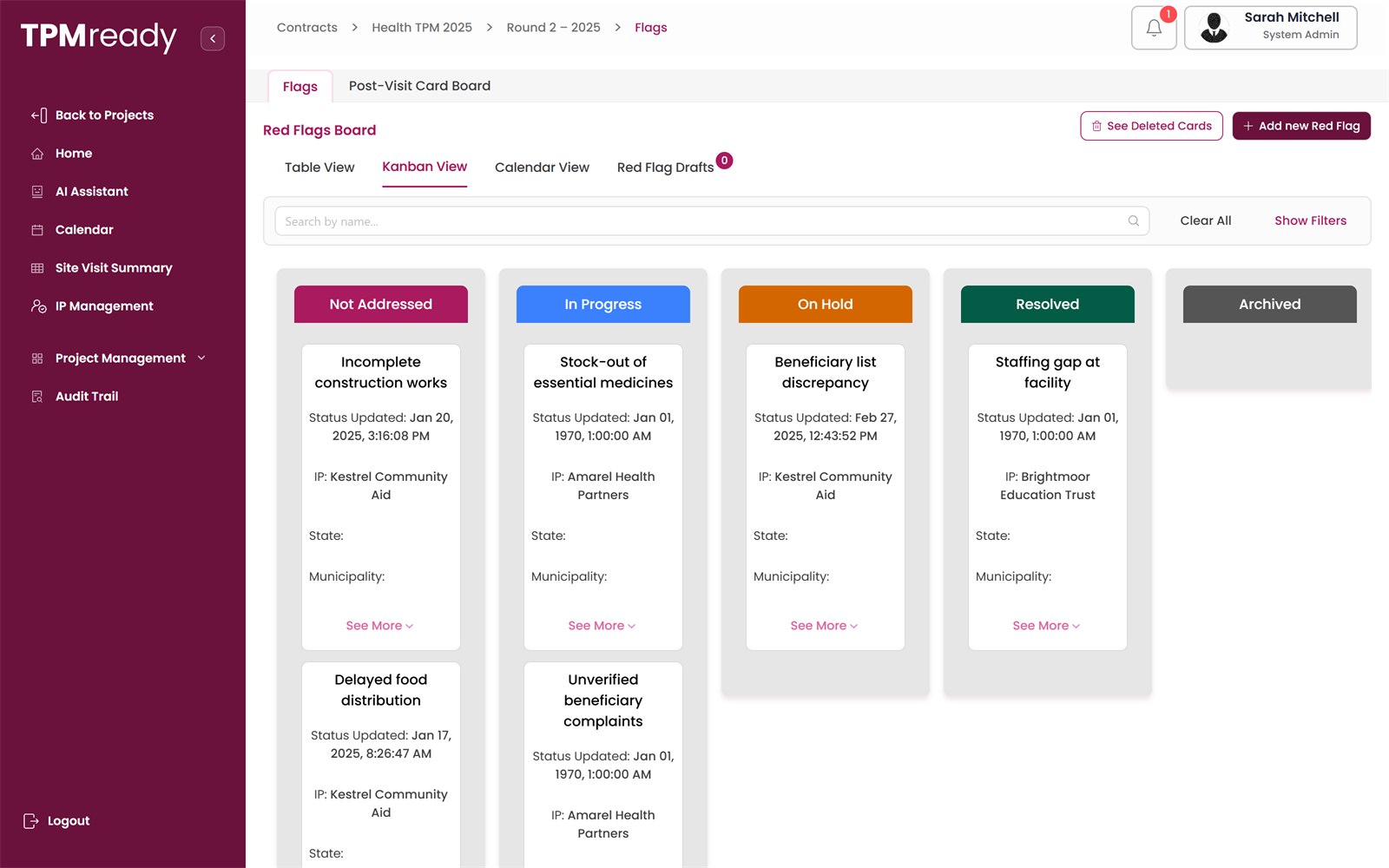
| Main output | Site visit reports and red flags | A system maturity report on the partner |
| Best suited to | Direct verification where access is limited | Portfolios where partners run their own monitoring |
When fourth-party monitoring makes sense
- Implementing partners run their own monitoring, or hire their own TPM firms.
- Funding passes through national societies or local organisations as part of localisation.
- The portfolio is too large to verify every site directly.
- Reports look suspiciously uniform, suggesting checks are not catching errors.
A four-step 4PM workflow
- Ingest and review the partner's M&E plans and reports.
- Audit the process with scorecards: did the monitor spend enough time on site, and was the GPS coordinate valid?
- Test in the field by re-verifying a random or risk-based sample of the partner's reports.
- Report systemically, describing the partner's operational competence rather than a single site.